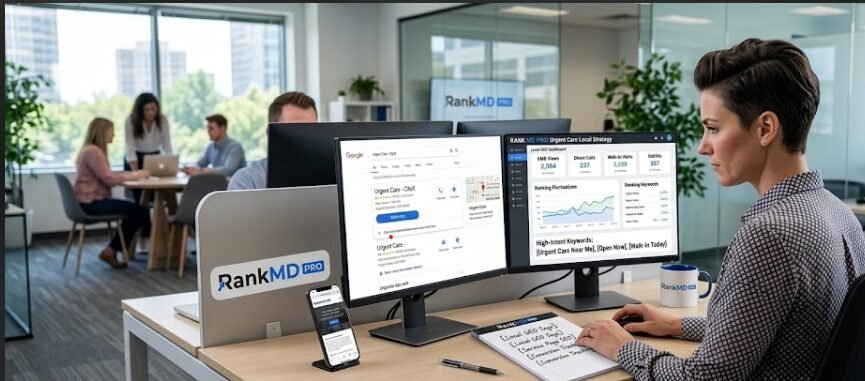
Patients usually search online before heading to a clinic because they need fast, reliable medical help close to home. Understanding patient search behavior through specialized urgent care SEO services allows medical centers to capture local demand right when patients need care most. The right keywords connect your clinic with active patients, while generic terms bring useless traffic that never converts. In this guide, you will learn how to find high-intent search terms to grow your web traffic and fill your waiting room.
What Is Urgent Care Keyword Research?
Keyword research involves identifying the exact terms patients type into search engines when looking for medical attention. Implementing a tailored SEO strategy for urgent care clinics helps separate simple informational searches from high-intent queries. Your primary focus should be reaching individuals who require immediate treatment. These high-intent terms consistently generate direct phone calls, walk-in visits, and online bookings.
Why High-Intent Keywords Matter
Not all search queries drive equal business value for medical practices. Working with a dedicated urgent care SEO agency ensures your website targets searchers ready to visit rather than casual readers. For instance:
-
“What is the flu?” is purely an educational query.
-
“Urgent care for flu near me” shows immediate intent to visit a clinic.
The second search query holds far greater commercial value, making it the exact type of keyword your practice must target.
What Are High-Intent Keywords?
High-intent keywords signal that a patient requires medical care very soon. Professional healthcare search engine optimization focuses heavily on capturing these action-oriented terms:
-
Near me
-
Open now
-
Walk-in
-
Today
-
Same day
-
No appointment
-
Fast treatment
-
Weekend clinic
These specific modifiers signal search engines that the user wants immediate local treatment.
Types of High-Intent Urgent Care Keywords
Different search terms serve unique purposes in an urgent care digital marketing strategy:
| Keyword Type | Example | Search Intent |
| Local keywords | Urgent care near me | Find a nearby clinic |
| Service keywords | X-ray urgent care | Find a specific service |
| Symptom keywords | Urgent care for fever | Get treatment |
| Condition keywords | Flu treatment urgent care | Treat an illness |
| Insurance keywords | Urgent care that accepts Medicare | Find covered care |
| Time-based keywords | Urgent care open now | Visit immediately |
| Walk-in keywords | Walk-in clinic today | No appointment needed |
| Pediatric keywords | Children’s urgent care near me | Care for kids |
The Best High-Intent Keywords for Urgent Care
Incorporating localized search terms through proven local SEO for urgent care tactics brings high-converting patient leads directly to your clinic site:
-
Urgent care near me
-
Same-day medical care
-
No appointment urgent care
-
Weekend urgent care
-
Urgent care with X-ray
-
Sports physical near me
-
Flu testing near me
-
COVID testing clinic
-
Strep throat treatment
-
Ear infection treatment
-
Urinary tract infection treatment
-
Minor injury clinic
-
Urgent care for cuts
-
Urgent care for burns
-
Pediatric urgent care
-
Urgent care accepting insurance
-
Affordable urgent care
-
Fast urgent care clinic
These terms show clear intent to take immediate medical action.
Local Keywords Bring More Visits
Because most patients look for nearby facilities, utilizing precise urgent care Google Map Pack optimization is critical for driving local foot traffic. Always incorporate your:
-
City
-
Neighborhood
-
County
-
ZIP code
-
State
Examples include:
-
Urgent care in Las Vegas
-
Urgent care near Henderson
-
Flu testing Las Vegas
-
Pediatric urgent care North Las Vegas
Add Keywords to the Right Pages
To avoid keyword confusion, partner with specialists in urgent care content optimization to map target search terms to dedicated service landing pages:
| Website Page | Main Keyword |
| Home page | Urgent care near me |
| Flu treatment page | Flu treatment urgent care |
| X-ray page | Urgent care with X-ray |
| Physical exams | Sports physical near me |
| Pediatric care | Pediatric urgent care |
| COVID testing | COVID testing clinic |
| Insurance page | Urgent care accepting insurance |
| Contact page | Walk-in clinic open today |
Organizing your site structure helps search engines rank each page accurately for its target service.
Match Keywords to Patient Intent
Understanding patient psychology allows you to construct pages using expert urgent care conversion rate optimization techniques. If someone searches “Urgent care for ear infection,” your dedicated landing page should clearly outline:
-
Common symptoms
-
Available medical treatments
-
When to walk in
-
Expected costs
-
Accepted insurance plans
-
Operating hours
Use Long-Tail Keywords
Capturing hyper-specific search traffic with long-tail urgent care keywords allows your practice to rank faster with less competition. Effective examples include:
-
Urgent care open on Sunday
-
Same-day flu treatment clinic
-
Urgent care for children’s fever
Patients typing these specific phrases have high intent and are ready to schedule or walk in immediately.
Answer Common Patient Questions
Many search journeys start with questions, making urgent care FAQ optimization an effective method for attracting organic traffic. Build content addressing questions like:
-
Can urgent care treat the flu?
-
Can urgent care remove stitches?
-
Do I need an appointment?
-
Does urgent care accept insurance?
Providing clear answers builds immediate trust while capturing informational search traffic.
Do Not Ignore Service Keywords
Creating distinct landing pages using systematic medical practice keyword targeting improves search engine authority across all service offerings:
-
X-rays & diagnostics
-
School & sports physicals
-
Flu & viral testing
-
Vaccinations & immunizations
-
Minor injury care (sprains, cuts, burns)
-
Common infection treatments (ear, UTI, sinus)
-
Allergy management
Structuring individual pages around single search terms provides maximum clarity for both patients and search engines.
Use Keywords Naturally
Executing seamless on-page SEO for medical clinics requires writing naturally for readers without overusing search phrases.
Good Example: “Our walk-in clinic provides fast flu treatment in Las Vegas. Visit us today no advance appointment is required.”
Natural flow preserves readability while maintaining strong search signals.
Optimize Important SEO Areas
For maximum visibility, deploy targeted urgent care technical SEO elements across essential page areas:
-
Page Title Tag
-
Meta Description
-
Main H1 Heading
-
Introductory Paragraph
-
Subheadings (H2, H3)
-
Image Alt Text
-
Clean URL Structure
-
Internal Links
Optimizing these core elements signals search engine crawlers exactly what your medical page covers.
Track Keyword Performance
Measuring digital metrics with specialized urgent care SEO performance tracking ensures continuous growth in traffic and clinic leads. Consistently track:
-
Organic website traffic
-
Direct phone inquiries
-
Online appointment requests
-
Walk-in patient volume
-
Google Business Profile views
-
Target keyword rankings
-
Click-through rates (CTR)
-
Page bounce rates
Regular monitoring allows you to refine landing pages and stay ahead of competing clinics.
Common Keyword Research Mistakes
Avoiding common pitfalls through a professional urgent care SEO audit protects your site from ranking penalties and wasted budget:
-
Targeting broad, non-local search terms
-
Ignoring localized search signals
-
Neglecting mobile user experience
-
Overusing keywords (keyword stuffing)
-
Duplicating competitor website content
-
Combining multiple services onto one generic page
-
Failing to update outdated medical information
-
Neglecting common patient questions
-
Omitting internal links between service pages
-
Failing to measure analytics performance
Fixing these execution errors quickly boosts local search rankings.
Build Content Around Patient Needs
Designing user-centric content using an urgent care organic growth strategy builds long-term authority and patient loyalty. Always ask:
-
What symptoms or discomfort is the patient experiencing?
-
What immediate medical treatment do they need?
-
How quickly do they require care?
-
What insurance or cost questions will they ask?
Direct answers solve patient problems and turn web visits into physical consultations.
Final Thoughts
Strategic keyword research does far more than boost search rankings it connects real patients with the urgent medical care they need. By focusing on high-intent search terms, dominating local map rankings, maintaining separate service landing pages, and answering common patient concerns, your clinic can build reliable online authority over time.
If you are looking for specialized urgent care SEO services to drive more phone calls, appointment bookings, and walk-in visits for your medical clinic, partner with the healthcare growth experts at Rank MD Pro today!
Frequently Asked Questions (FAQs)
1. Why are local keywords important?
Most patients search for clinics near their location, making local keyword optimization for clinics essential for capturing foot traffic.
2. What are long-tail keywords?
Long-tail search phrases are longer, specific queries targeted through medical long-tail keyword research that yield higher conversion rates.
3. How often should I update keyword research?
Executing routine urgent care keyword updates every few months keeps your content aligned with seasonal health trends and search habits.
4. What is keyword stuffing?
Repeating search terms unnaturally damages user experience; using modern healthcare content optimization prevents search engine penalties.
5. Are “near me” searches important?
Yes, leveraging high-intent queries through urgent care near me search optimization captures searchers ready for immediate walk-in care.