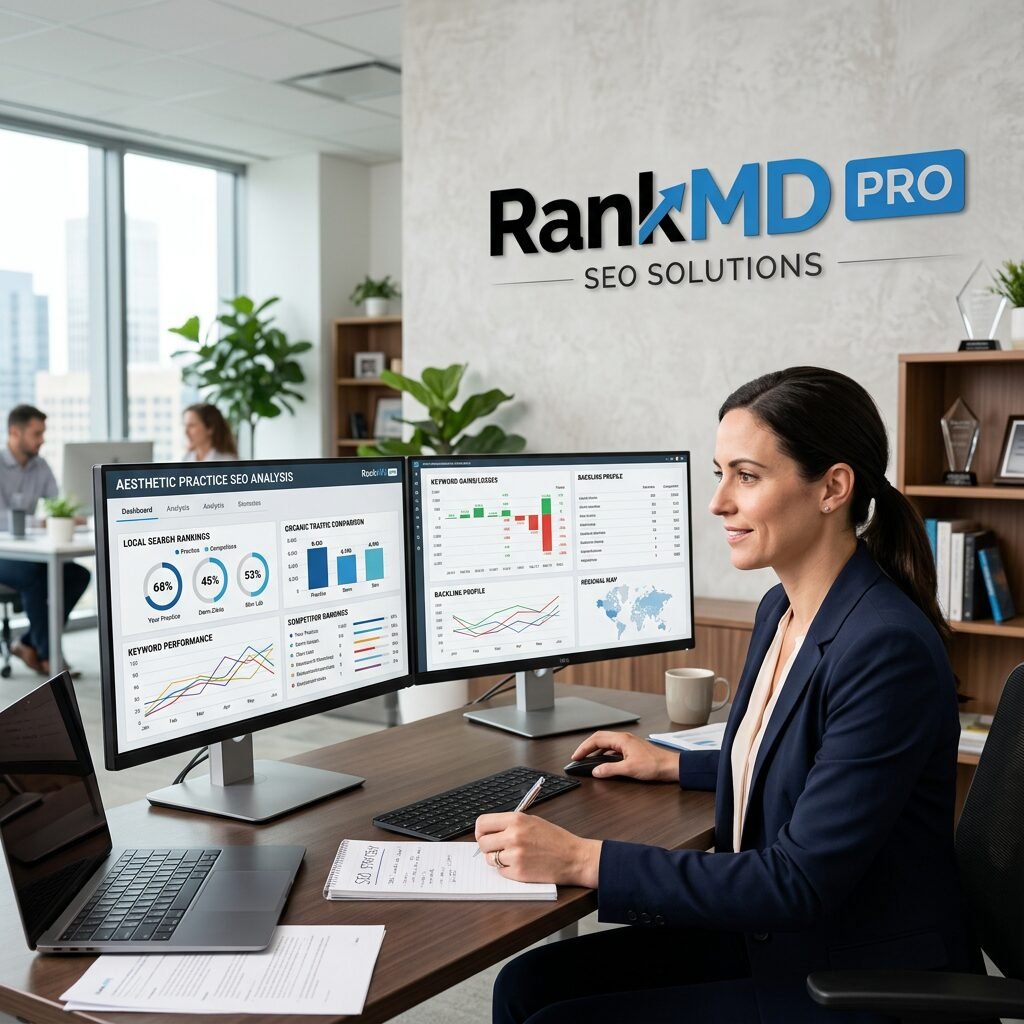
Search engine optimization is critical for the ongoing success of any modern aesthetic practice. Nowadays, a vast number of individuals search through the internet before they schedule an initial appointment. They may search for Botox, fillers, laser skin care, or body treatments. This indicates your website requires a seamless, trouble-free design to discover. However, there is one more vital factor to review: your competitors are also heavily investing in SEO. They may rank above your practice on Google, secure more clicks, and capture more patient calls. So, what can you do to outpace them? One smart, data-driven step is conducting a thorough competitor SEO analysis, enhanced by professional aesthetic seo methodologies.
What Is Competitor SEO Analysis?
Competitor SEO analysis means systematically studying the search optimization strategies of rival medical and cosmetic practices. You can look closely at their:
-
Keywords
-
Website pages
-
Blog topics
-
Google rankings
-
Backlinks
-
Local SEO
-
Service pages
-
Web content
-
Reviews
-
Page titles
-
Website speed
-
Calls to action
Evaluating these elements gives your clinic a competitive edge through targeted med spa digital marketing insights.
Why Does Competitor SEO Matter?
Search engine optimization takes time, meaning you might spend months creating content and refining your site layout while still struggling to rank. A comprehensive competitor analysis simplifies this work by providing a clear view of your local market. For example, you may discover that three top-tier clinics rank well for “Botox near me,” yet their individual websites feature weak or uninformative pages regarding Botox aftercare. This presents a major opportunity. You can create a rich, highly useful Botox aftercare page that answers common patient questions clearly and helpfully. Over time, this targeted optimization strategy helps your site gain valuable organic traffic, supported by expert dermatology search optimization practices.
Find Your Real SEO Competitors
Your direct business competitors may differ significantly from your SEO rivals. A massive corporate clinic might be your primary offline business rival, but a completely different local practice could dominate Google rankings for your target terms. That higher-ranking practice is your true SEO competitor. Start your audit by searching for terms directly related to your core offerings:
-
Botox near me
-
Dermal fillers near me
-
Lip filler clinic
-
Facial treatments near me
-
Laser skin treatment
-
Skin rejuvenation clinic
-
Med spa near me
-
Aesthetic clinic near me
Study Their Keywords
Keywords are the specific words people type into search engines when looking for care. Your competitors likely rank for numerous profitable terms that you currently ignore, revealing fresh opportunities for growth. For instance, a rival practice might successfully target categories such as:
Integrating these variations using smart niche keyword targeting strengthens your overall visibility.
Find Content Gaps
A content gap represents a valuable topic that your competitors cover extensively while your website completely ignores it. Recognizing these gaps is extremely useful. Suppose a rival clinic maintains an in-depth page about lip fillers, and you offer lip fillers too, but your site only displays a brief service description. That is a distinct content gap. You can resolve this by building a superior, more comprehensive page that explains:
-
What lip fillers are
-
Who may benefit from them
-
What happens during treatment
-
What results may look like
-
How long results may last
-
What aftercare may involve
-
Common patient questions
-
When to contact the clinic
Closing these gaps through structured medical content marketing establishes your clinic as an industry authority.
Compare Service Pages
Service pages are paramount for aesthetic practices. Each primary treatment should feature its own distinct, informative page rather than cramming every offering onto a single crowded URL. Consider building separate, dedicated pages for:
-
Botox
-
Dermal fillers
-
Lip fillers
-
Chemical peels
-
Laser treatments
-
Skin tightening
-
Microneedling
-
Facial treatments
Study your top competitors’ pages. Do their pages explain procedures thoroughly, answer patient questions, use clear headings, identify ideal candidates, feature robust calls to action, and integrate local details? Use your findings to upgrade your own pages, supported by advanced healthcare web design standards.
Study Their Page Titles
Page titles help both search engine crawlers and users understand what a specific page covers. An effective title is clear, descriptive, and incorporates both the service and the geographic location. Analyze the title tags used by top-ranking competitors, and then engineer superior titles for your own URLs. Never plagiarize their titles directly; always keep your metadata unique and compelling using proven title tag optimization techniques.
Check Their Local SEO
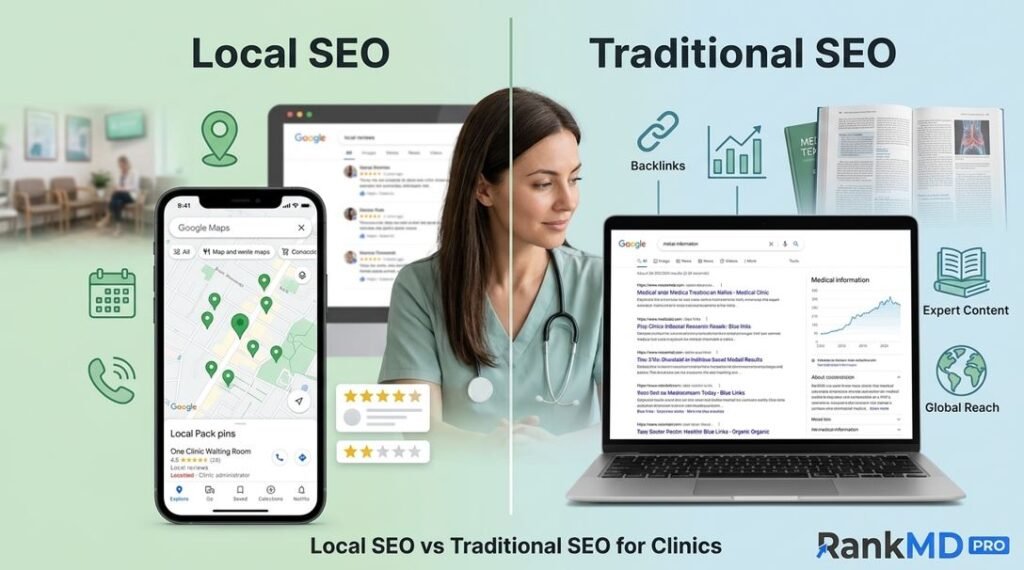
Local search optimization is exceptionally important for aesthetic practices because most patients prefer visiting a clinic close to their home or workplace. They frequently search phrases like “Botox near me” or “Best med spa in Las Vegas”. Your competitors likely leverage strong local SEO strategies. Study their:
-
Google Business Profile
-
Reviews
-
Business name
-
Address
-
Phone number
-
Business categories
-
Local landing pages
-
Location-specific content
-
Local backlinks
Managing these regional signals effectively relies on professional local SEO for plastic surgeons.
Study Their Google Business Profile
A well-optimized Google Business Profile helps your practice dominate local search packs. Examine your top competitors to see how they leverage their profiles, focusing on their:
-
Photos
-
Reviews
-
Listed services
-
Business descriptions
-
Regular posts
-
Questions and answers
-
Operating hours
Maintaining active local listings is a core pillar of successful Google Map ranking for clinics.
Analyze Their Reviews
Patient feedback directly impacts consumer trust and helps prospective clients choose between competing clinics. Read through your competitors’ reviews carefully to identify common themes. Do patients frequently praise friendly staff, clean treatment rooms, easy booking, great results, fast service, or helpful advice? Conversely, look closely at their complaints. Do reviewers mention long wait times, poor communication, difficult scheduling, high prices, or confusing pre-treatment instructions? Monitoring patient sentiment is essential for effective online reputation management.
Look at Their Website Structure
A high-performing website must feature intuitive, frictionless navigation. Study how competing clinics organize their digital architecture. Review their main menus: can users find treatments rapidly, locate contact details, book appointments online, read provider bios, check pricing structures, and browse patient FAQs with ease? A clean, simplified user journey converts casual traffic into booked procedures, aligning closely with expert UI/UX design for medical sites.
Check Their Calls to Action
A strong call to action clearly instructs users on what step to take next. Common examples include:
-
Book a Consultation
-
Schedule Your Visit
-
Call Our Clinic
-
Request an Appointment
-
Learn About Botox
Study where your competitors place their calls to action across their layouts, and then position your own conversion prompts explicitly and strategically using targeted conversion rate optimization for clinics.
Find Backlink Opportunities
Backlinks are incoming hyperlinks from external websites pointing to your domain. High-quality backlinks provide a powerful boost to search rankings. Your competitors may secure valuable links from:
-
Local news outlets
-
Beauty blogs
-
Health and wellness websites
-
Local business portals
-
Professional medical groups
-
Community websites
-
Local directories
Acquiring authoritative links requires a dedicated, proactive outreach strategy powered by professional aesthetic seo campaigns.
Learn From Their Blog Strategy
An active educational blog helps an aesthetic practice rank for a wide array of informational search queries. Study what your competitors write about to discover proven topics such as:
-
Botox aftercare
-
Filler recovery timelines
-
Skin care tips
-
Treatment cost breakdowns
-
Cosmetic procedure comparisons
-
Common side effects
-
Expected treatment results
-
Pre- and post-care guidelines
-
General questions about cosmetic treatments
Use Competitor Data to Build a Better Plan
A comprehensive competitor analysis should always translate directly into actionable steps rather than gathering dust in a folder. Implement a structured execution framework:
Do Not Copy Your Competitors
Competitor research should inspire innovation, not outright plagiarism. Your aesthetic practice possesses a unique brand voice that should shine through your digital presence. Your website must clearly demonstrate why patients should choose your clinic over others by highlighting your:
-
Expert medical team
-
Clinical experience
-
Specialized services
-
Patient-first care philosophy
-
Tailored treatment approach
-
Clean, welcoming clinic environment
-
Rigorous safety practices
-
Streamlined booking process
Final Thoughts
Competitor SEO analysis serves as a powerful growth engine for any expanding aesthetic practice. It reveals what competing clinics execute successfully while exposing their underlying vulnerabilities. Most importantly, it uncovers hidden opportunities helping you discover fresh keywords, bridge content gaps, upgrade service pages, tighten local visibility, and refine your overall website experience. The ultimate key to success is learning from market leaders without simply copying them. If you are searching for dedicated aesthetic seo services for your aesthetic practice, visit Rank Md agency.
Frequently Asked Questions:
-
Should I copy a competitor’s content?
No. Always use competitor research purely for conceptual inspiration while creating 100% original, valuable content tailored specifically for your own practice.
-
How can I find my SEO competitors?
Search Google for your main clinical services combined with local geographic terms, then identify the practices consistently ranking on the first page.
-
What are content gaps?
Content gaps are useful topics that your website currently ignores while your competitors actively cover them.
-
Are service pages important for aesthetic SEO?
Yes. High-performing service pages help both prospective patients and search engines fully understand what your practice offers.
-
Can competitor analysis help with blog ideas?
Yes. Studying topics that generate high engagement for competitors allows you to produce superior, more helpful educational articles for your own audience.