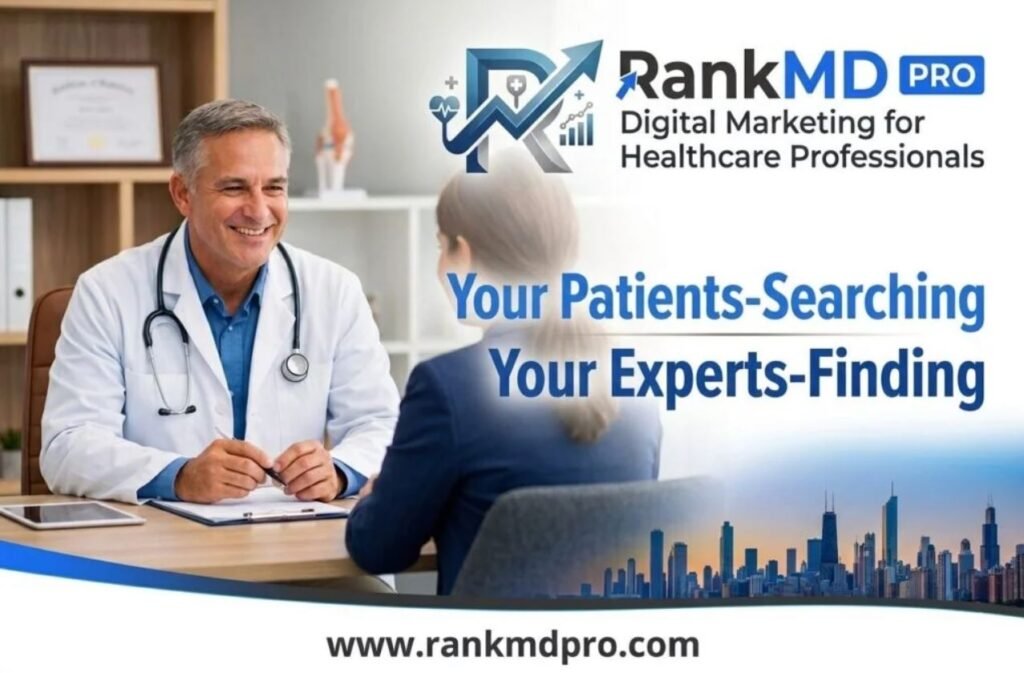
For medical practices and clinical groups looking to attract high-intent patients, choosing a digital marketing partner comes down to more than search rankings. The right healthcare SEO company should help improve qualified website traffic, appointment inquiries, local search visibility, and opportunities for practice growth.
The healthcare search landscape is competitive. Generalist agencies may focus on traffic metrics while overlooking medical search intent, Google Maps visibility, specialty-specific landing pages, and healthcare marketing compliance.
This comparative analysis examines leading healthcare SEO companies, their specializations, and how their approaches support patient acquisition. Practices evaluating a medical SEO agency can use this guide to compare services, identify the right expertise, and choose a partner aligned with their growth goals.
Comparative Analysis: Patient Acquisition and Conversion-Focused SEO Agencies
The following table compares healthcare SEO companies by their target clients, optimization approaches, and conversion strategies.
| Agency | Ideal Clinical Model | Optimization Framework | Primary Conversion Focus |
| RankMD Pro | Specialty clinics, medical practices, and multi-location groups | Technical SEO, local SEO, and generative engine optimization (GEO) | Appointment inquiries, conversion-focused websites, and AI search visibility |
| Cardinal Digital Marketing | Multi-location healthcare organizations and behavioral health networks | Enterprise SEO and scalable local search strategies | Local landing pages and location-specific inquiries |
| Intrepy Healthcare Marketing | Independent physicians and specialty practices | Healthcare SEO, provider marketing, and medical video | Provider visibility and appointment requests |
| Sagapixel | Local medical practices and specialty clinics | Medical SEO, local search optimization, and content development | Organic leads, calls, and contact form submissions |
| WebFX | Healthcare organizations and larger medical groups | Technical SEO, content marketing, and integrated digital marketing | Lead tracking and cross-channel performance measurement |
Industry-Leading healthcare SEO companies Evaluated
RankMD Pro: Healthcare SEO and AI Search Optimization
RankMD Pro focuses on healthcare SEO services designed to improve online visibility and generate qualified patient inquiries. Its approach combines technical SEO, specialty-specific content, local search optimization, and conversion-focused website improvements.
For practices seeking broader visibility across traditional search and AI-powered search experiences, explore AI Search Healthcare SEO for Doctors and Medical Clinics.
Cardinal Digital Marketing: Enterprise Healthcare Marketing
Cardinal Digital Marketing focuses on larger healthcare organizations, including multi-location providers and behavioral health networks. Its enterprise-oriented approach supports scalable search strategies, location-specific content, and digital campaign measurement.
Intrepy Healthcare Marketing: Physician and Specialty Marketing
Intrepy Healthcare Marketing combines healthcare marketing with physician-focused content and video strategies. This approach can help medical practices communicate provider expertise, strengthen their online presence, and encourage prospective patients to explore appointment options.
Sagapixel: Medical SEO and Local Search
Sagapixel specializes in healthcare digital marketing, including medical SEO and local search visibility. Practices comparing medical SEO providers can evaluate how their strategies address local listings, specialty-related search queries, website content, and lead tracking.
WebFX: Integrated Digital Marketing
WebFX offers broader digital marketing capabilities, including SEO, content marketing, and performance measurement. Its integrated approach may suit healthcare organizations seeking to coordinate organic search with other digital marketing channels.
Structural Levers That Turn Search Traffic into Patient Inquiries
A successful SEO strategy for medical practices should connect search intent with relevant service pages and clear appointment pathways. Three areas deserve particular attention.
1. Symptom-Based and Service-Based Content
Service keywords such as “dermatologist near me” can attract people looking for a provider. Informational searches about acne scars, knee pain, or tooth pain may reach patients at an earlier research stage.
An effective healthcare content strategy addresses both intents. Informational articles answer relevant questions and link naturally to commercial pages, such as Mental Health SEO Services or Urgent Care SEO Services, when those services match the reader’s needs.
This structure helps search engines understand topical relationships while giving prospective patients a relevant next step.
2. The Dual-Profile Local SEO Strategy
Local search optimization can help patients discover both a medical practice and its individual providers. A comprehensive local SEO strategy should consider:
- The practice profile: Maintain accurate business information, appropriate categories, service details, and contact information.
- Individual practitioner profiles: Where eligible, maintain accurate provider information and connect each clinician with the correct practice location.
- Location-specific service pages: Explain the services available at each location without duplicating content or implying an office exists where it does not.
- Consistent business details: Keep names, addresses, and phone numbers accurate across relevant directories.
These measures support local discoverability and make it easier for prospective patients to find the right practice. Actual visibility and appointment outcomes depend on competition, location, relevance, and other factors.
3. Generative Engine Optimization (GEO) for Healthcare
Patients increasingly use conversational search tools alongside traditional search engines. Healthcare practices can strengthen their digital presence by publishing accurate, clearly structured content that answers common patient questions.
Effective healthcare GEO strategies may include:
- Developing medically reviewed, question-focused content where appropriate.
- Using relevant structured data, such as MedicalWebPage and LocalBusiness or a more specific applicable subtype.
- Maintaining consistent provider, practice, and location information.
- Building relevant internal links between specialty pages, educational resources, and service pages.
- Demonstrating expertise through transparent authorship, credible sources, and appropriate clinical review.
For practices looking to improve visibility across emerging search experiences, RankMD Pro’s AI Search Healthcare SEO services provide a relevant starting point.
Structured data can help search engines interpret page content, but it does not guarantee AI citations, featured placements, or patient recommendations.
Dual-Layer Conversion Funnels: Capturing Immediate and Research-Intent Patients
Not every website visitor is ready to schedule an appointment. A healthcare SEO strategy should support visitors at different stages of the decision-making process.
- Immediate-action pathway: For searches involving urgent care or a specific available service, provide clear location details, contact options, appointment links, and relevant insurance information.
- Research-driven pathway: For elective procedures, ongoing conditions, or specialty consultations, provide useful educational content, treatment information, provider credentials, and answers to common questions.
For example, a person researching orthopedic treatment may first read an educational article before visiting a relevant service page. Contextual internal links can connect these stages without forcing an appointment request before the visitor is ready.
The goal is to make the next step clear, accessible, and appropriate to the patient’s needs.
Insurance Information, Price Transparency, and Patient-Friendly Website Experiences
Financial uncertainty can discourage prospective patients from contacting a medical practice. Healthcare websites can reduce confusion by making relevant administrative information easier to find.
Consider these website improvements:
- Insurance information: Publish current accepted insurance plans where available, with a clear process for confirming coverage.
- Cost and payment information: Provide applicable pricing, payment policies, or cost-estimation resources when available and appropriate to the service.
- Secure inquiry forms: Use appropriate safeguards for forms that collect personal information and avoid requesting unnecessary sensitive health details.
- Clear appointment pathways: Make phone numbers, appointment requests, and location information easy to find on desktop and mobile devices.
Healthcare organizations should evaluate applicable privacy, security, and price-transparency requirements before implementing these features. Website tools alone do not establish HIPAA compliance or guarantee increased conversion rates.
How to Choose the Healthcare SEO Companies for Your Practice
Before hiring a healthcare SEO companies, compare providers using criteria that relate directly to your practice’s objectives.
- Healthcare experience: Can the agency demonstrate relevant experience with medical practices or your specialty?
- Commercial keyword strategy: Does its plan target healthcare SEO services, specialty searches, and local patient-intent queries?
- Local SEO capabilities: Can it improve eligible business profiles, location pages, and local search relevance?
- Technical SEO: Does it address indexing, website performance, crawlability, and structured data?
- Conversion measurement: Can it help measure qualified inquiries, appointment-related actions, phone calls, and form submissions?
- Reporting and transparency: Does it explain what work is completed, what is improving, and where further optimization is needed?
- AI search readiness: Does it structure useful content for traditional search and emerging AI-powered search experiences without promising guaranteed citations?
The best healthcare SEO company is the one whose capabilities, reporting, and strategy align with your practice’s actual needs and budget.
Final Takeaway: Build a Sustainable Patient Acquisition Strategy
The most useful healthcare SEO strategy connects search visibility with relevant services, trustworthy content, local discoverability, and clear appointment pathways. Rankings and traffic matter, but they should be evaluated alongside qualified inquiries and other meaningful business outcomes.
RankMD Pro helps healthcare organizations approach search optimization through technical SEO, healthcare-focused content, local visibility, and AI search optimization. Whether you operate a specialty clinic or a growing medical group, the right strategy should reflect your services, target locations, and patient acquisition goals.
Stop Losing Potential Patients to Competitors
Looking for a healthcare SEO companies to improve your medical practice’s online visibility and attract more qualified inquiries?
Request Your Free RankMD Pro Growth Audit
Explore healthcare SEO services in Tampa, Florida or discuss a strategy tailored to your practice, specialty, and target market.