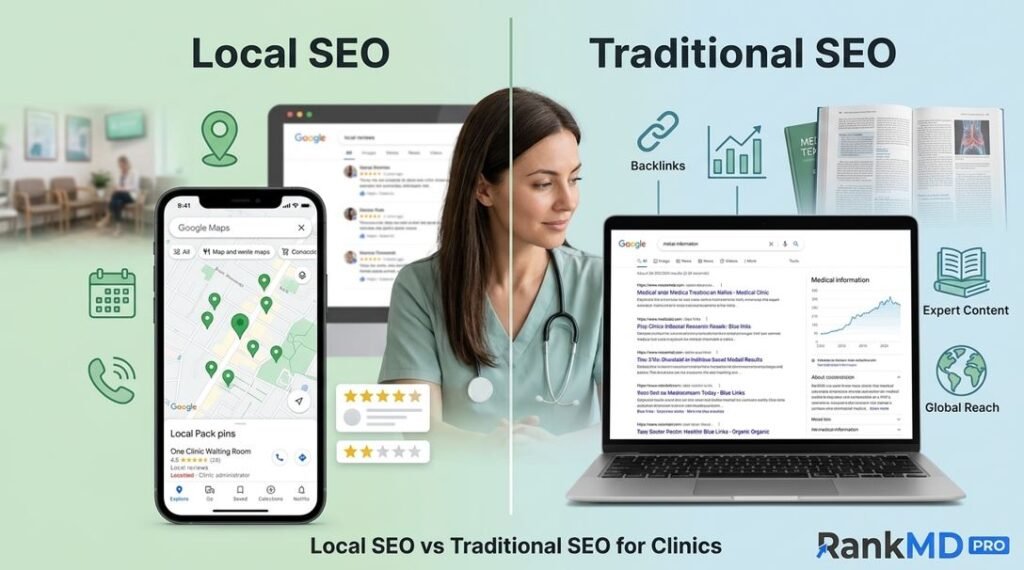
Content marketing is one of the most effective strategies to grow an urgent care center. Many people search the internet before heading to a walk-in clinic. They look for simple answers, rapid solutions, and trusted medical advice. If your blog directly addresses their concerns, they are much more likely to choose your facility. A well-written blog establishes trust and helps your website rank higher on search engine results pages. Leveraging expert urgent care SEO strategies ensures your clinic stays visible to local patients.
Why Content Marketing Matters for Urgent Care
Patients frequently require medical care immediately. Before they leave home, they search online. They type questions like:
-
“Urgent care near me”
-
“Do I need urgent care for a cough?”
If your article responds to these questions, search engines display your page prominently. The patient reads your article, trusts your clinic, and visits your location. That is the power of content marketing combined with strong urgent care SEO services.
What Is Urgent Care Content Marketing?
Content marketing means creating helpful information for patients. This content solves problems, answers health questions, and builds trust. Blogs are one of the best formats, but you can also create:
-
Health guides
-
FAQ pages
-
Informational videos
-
Checklists
-
Local health tips
-
Seasonal articles
Implementing targeted urgent care digital marketing ensures these resources reach the right audience.
Benefits of Blogging for Urgent Care Clinics
A great blog helps your clinic in many ways. By focusing on proper medical SEO, your content can:
-
Enhance website traffic
-
Increase search engine rankings
-
Build patient trust
-
Answer common medical questions
-
Enhance walk-in visits
-
Support local search visibility
-
Keep patients engaged online
-
Grow your clinic’s reputation
Understand What Patients Search For
Always think like your patients. Ask yourself what hurts, what worries them, and what questions they ask. These answers become effective blog topics. Good examples include:
-
When should I visit urgent care?
-
Is my fever serious?
-
Can urgent care treat ear infections?
-
Do I need stitches?
Simple questions often bring the highest traffic when paired with professional *urgent care SEO optimization.
Choose High-Intent Topics
Some searches show strong intent, meaning patients are ready to visit a clinic immediately. Focus on topics like:
-
Walk-in treatment for the flu
-
Sports injury care
-
Cold and cough treatment
-
Ear infection treatment
-
Urinary tract infection symptoms
-
Pink eye treatment
-
Seasonal allergies
-
Sprains and strains
-
Minor burns
-
Cuts needing stitches
These blogs attract patients who need care right away, maximizing the return on your healthcare SEO campaign.
Write Simple Headlines
Your title is the first thing people view. Keep it simple, clear, and short. Examples include:
-
Can Urgent Care Treat the Flu?
-
Do You Need Stitches?
-
When Should You Visit Urgent Care?
Stay away from confusing terminology. Simple headlines get more clicks and support overall urgent care search engine optimization efforts.
Start with a Strong Introduction
The first few lines are critical. Tell readers right away that you understand their issue. For example: “Many people are not sure if they should visit urgent care. This guide explains when to come in and what to expect.” This keeps readers engaged, a metric valued heavily in urgent care website ranking algorithms.
Use Short Paragraphs
Too many lengthy blocks of text are difficult to read. Keep paragraphs short and use:
-
Short sentences
-
Bullet points
-
Clear lists
-
Descriptive headings
This enhances readability, lowers bounce rates, and supports effective urgent care optimization.
Write Like You Speak
Use everyday words rather than complicated medical jargon. Instead of saying “Respiratory infection,” say “Chest infection.” Instead of saying “Ambulatory healthcare facility,” say “Walk-in clinic.” Simple language helps everyone understand your message while aligning with natural search queries targeted by urgent care SEO experts.
Include Local Information
Local content brings local patients through your doors. Mention your city and nearby neighborhoods. Example topics include:
-
Flu Season in Las Vegas
-
Summer Heat Illness in Las Vegas
-
Allergy Season Tips
-
Winter Cold Care
Local blogs improve local search rankings, which is a core focus of specialized local urgent care SEO.
Add Helpful Calls to Action
Every blog should guide readers on what action to perform next. Examples include:
-
Visit our urgent care today.
-
Walk in with no appointment needed.
-
Call our clinic now.
-
Check our operating hours.
-
Find our location easily.
Do not leave readers guessing. Clear calls to action drive conversions driven by comprehensive urgent care marketing strategies.
Add Images
Pictures make blogs much easier to read. Use images such as:
-
Clinic entrance
-
Friendly staff
-
Treatment rooms
-
Doctors and nurses
-
Medical tools
Good visuals build trust and improve user experience, which is monitored during technical urgent care SEO audits.
Keep Information Updated
Health advice changes over time. Analyze old articles each year and update statistics, medical guidelines, services, hours, and contact information. Fresh content performs better and signals authority to search engines using professional urgent care content optimization.
Build Trust with Accurate Information
Patients trust reliable clinics. Always provide correct information and avoid making false promises. Clearly describe when urgent care is the best option. Honest advice builds confidence and strengthens your brand via specialized medical content marketing.
Link to Other Helpful Pages
Internal links keep visitors on your website longer. Link to pages such as:
-
Urgent care services
-
Flu treatment guides
-
Physical exams
-
X-ray services
-
Pediatric care
-
Insurance information
-
Contact page
This improves SEO structure and helps patients find answers quickly, reinforcing your urgent care link building strategy.
Optimize for Mobile Users
Many individuals search for care on mobile phones. Your blog should load quickly, feature large text, and include simple navigation with click-to-call buttons. A mobile-friendly website helps patients act faster, supporting overall mobile urgent care SEO.
Encourage Reviews
Happy patients help your clinic grow. Ask them to leave positive reviews, which increase trust and improve local search visibility. Many people read reviews before choosing a clinic, making reputation management vital for urgent care local SEO growth.
Measure Your Results
Track your blog performance regularly. Useful metrics include website visits, search rankings, phone calls, walk-in visits, appointment requests, time on page, and bounce rate. Tracking these KPIs ensures your *urgent care SEO campaign delivers a strong return on investment.
Content Ideas That Bring Walk-In Patients
| Blog Topic | Patient Intent | SEO Value | Walk-In Potential |
| Can Urgent Care Treat the Flu? | High | High | High |
| Do I Need Stitches? | High | High | High |
| When Should I Visit Urgent Care? | High | High | High |
| Ear Infection Symptoms | High | High | High |
| Sprained Ankle Treatment | High | High | High |
| Sports Physical Guide | Medium | High | Medium |
| Cold vs Flu | High | High | High |
| Pink Eye Treatment | High | High | High |
| Allergies or Sinus Infection? | Medium | High | Medium |
| Fever in Children | High | High | High |
Utilizing targeted urgent care keyword research helps identify these high-value opportunities.
Best Practices for Urgent Care Blogging
Follow these simple tips to maximize your reach:
-
Write for patients first.
-
Answer one main question per article.
-
Use simple, everyday words.
-
Keep sentences short.
-
Add helpful headings.
-
Include local keywords.
-
Add internal links.
-
Use clear calls to action.
-
Update old blogs consistently.
-
Publish new content often using reliable urgent care blogging strategies.
Common Mistakes to Avoid
Many clinics make critical errors. Avoid them to protect your ranking:
-
Writing only for search engines instead of humans.
-
Using difficult medical terms.
-
Publishing very short, unhelpful blogs.
-
Ignoring local SEO principles.
-
Forgetting clear calls to action.
-
Not updating outdated content.
-
Using copied content.
-
Writing without keyword research.
-
Poor mobile design.
-
Slow website speed.
Fixing these problems through expert urgent care website optimization significantly improves your overall results.
Build a Content Calendar
Planning ahead makes blogging much easier. You can write about seasonal health topics aligned with professional urgent care SEO planning:
-
January – Cold and flu care
-
March – Allergy season
-
May – Sports injuries
-
July – Heat exhaustion
-
September – School physicals
-
October – Flu shots
-
November – Cold weather illnesses
-
December – Holiday injuries
Final Thoughts
Urgent care content marketing is not just about writing blogs; it is about helping people when they need it most. If people discover helpful replies, they trust your urgent care center, and that trust often turns into a physical visit. Write simple blogs, answer real questions, focus on local patients, and keep your content updated. Over time, your articles will become powerful tools for patient growth. Helpful content improves search rankings, better rankings bring more visitors, and more visitors turn into walk-in patients. That is how smart content marketing helps clinics expand. If you are searching for expert urgent care SEO services for your clinic, visit the Rank Md agency today.
Frequently Asked Questions (FAQs)
-
Should blogs include local keywords?
Yes. Local keywords help nearby patients find your clinic easily when paired with proper local clinic SEO.
-
Is simple writing better?
Yes. Simple writing is easy to read, lowers bounce rates, and keeps readers engaged with your urgent care content.
-
Should blogs be updated?
Yes. Analyzing and updating older blogs ensures medical accuracy and maintains strong search engine rankings.
-
Do images help blog performance?
Yes. Images improve the reading experience and build trust, which assists overall urgent care website performance.
-
Can one blog target multiple keywords?
It is best to concentrate on one main keyword and support it with related terms using an integrated urgent care keyword strategy.