People want quick replies. While they are feeling un-well, they search online. They look for an urgent care clinic near them. They click a website. They expect it to load fast. But what happens if your website is slow? Many people leave. They do not wait. They go to another clinic. This means fewer calls. It means fewer appointments. It means lost patients. A slow website may affect your clinic’s progress every day. In this article, you will learn why website speed matters and how to fix common problems.
Why Website Speed Matters:
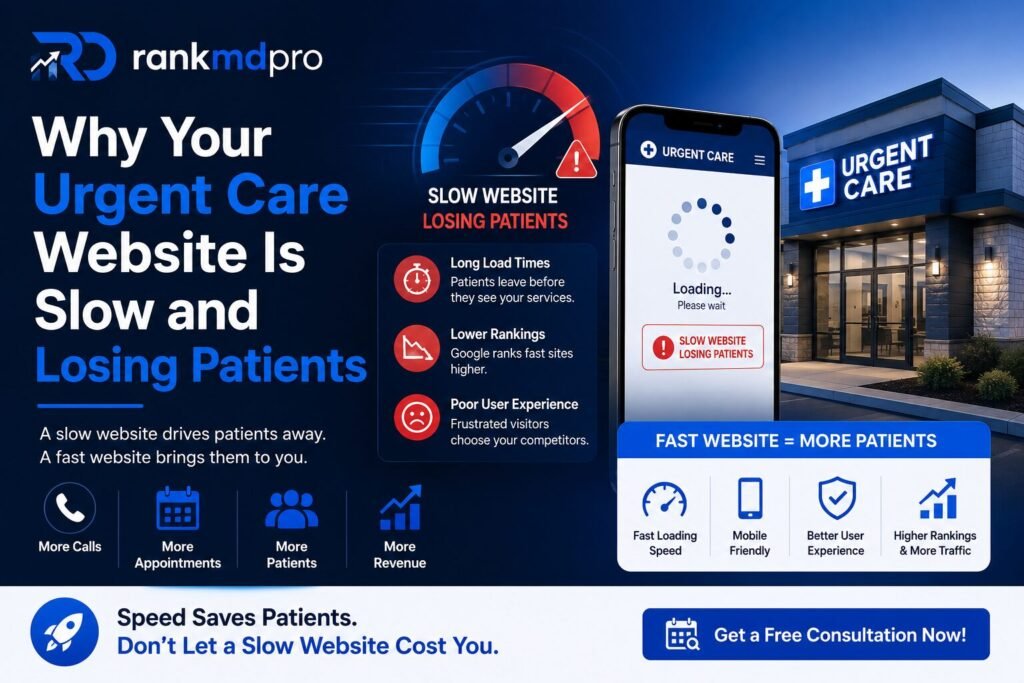
Patients do not like to wait. A quick website provides a positive first impression. A slow website creates frustration. Lots of visitors go to another website within seconds if pages do not load faster. Patients frequently require immediate care. They want information fast. They want to find:
- Your phone number
- Your address
- Your hours
- Your services
- Online check-in options
If they could not discover these things faster, they get off. Then they select another urgent care center.
How a Slow Website Affects Your Urgent Care:
A slow website can cause many problems.
Fewer Patients:
Visitors leave before they see your services. This means fewer appointments.
Fewer Phone Calls:
Patients may never find your phone number. They leave before contacting you.
Lower Google Rankings:
Google likes fast websites. Slow sites may rank lower. This creates it more difficult for patients to search you online.
Poor User Experience:
Visitors want a smooth experience. A slow site creates a bad experience.
Lost Revenue:
Fewer patients mean less income. Even a small delay can cost your clinic money.
Signs Your Website Is Too Slow:
Many clinic owners do not know their website is slow. Look for these warning signs.
- Pages take several seconds to open
- Images load slowly
- Patients complain about the website
- High visitor bounce rates
- Low appointment requests
- Low search rankings
- Mobile pages load slowly
If you see these signs, your website may need attention.
Common Reasons Websites Become Slow:
There are many causes. Let us look at the most common ones.
Large Images:
Big images take longer to load. Many websites upload photos without reducing file size. This creates delays.
Too Many Plugins:
Plugins add features. But too many plugins can slow your site. Some plugins may also conflict with each other.
Poor Web Hosting:
Cheap hosting often means slower performance. Your website shares resources with many other sites. This can reduce speed.
Too Much Code:
Extra code can make pages heavy. Heavy pages take longer to load.
No Caching:
Caching helps pages load faster. Without caching, visitors wait longer.
Too Many Videos:
Videos use large amounts of data. Too many videos can slow every page.
Old Website Design
Older websites may use outdated technology. This can hurt speed and performance.
How Patients React to Slow Websites:
Patients today have many choices. They can visit another website in seconds. Imagine this situation. A patient searches for urgent care. They click your website. The page loads slowly. They become frustrated. They close the page. They click another clinic.That clinic gets the appointment. You lose the patient. This happens every day.
Website Speed and Mobile Users:
Most patients use smartphones. Mobile users expect fast loading pages. A slow mobile site is a major problem. Patients may be:
- At work
- At home
- Traveling
- Looking for immediate care
They need information fast. A mobile-friendly website helps patients find your clinic quickly.
Website Speed and Google Rankings:
Google wants users to have a good experience. Website speed is part of that experience. Fast websites often perform better in search results. Slow websites may struggle to rank. Higher rankings can lead to:
- More website traffic
- More phone calls
- More appointments
- More patients
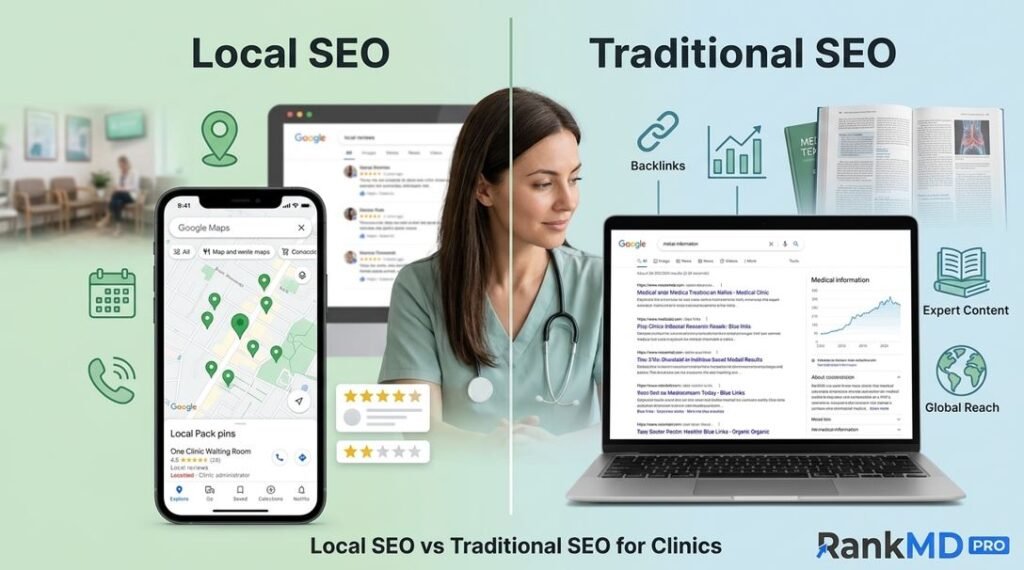
Speed plays an important role in local SEO.
Common Website Problems and Solutions:
| Problem | Effect on Website | Simple Solution |
| Large images | Slow loading pages | Compress images |
| Poor hosting | Slow performance | Upgrade hosting |
| Too many plugins | Website delays | Remove unused plugins |
| Old website design | Poor user experience | Update website |
| No caching | Slow page loading | Enable caching |
| Large videos | Heavy pages | Optimize videos |
| Too much code | Longer loading times | Clean up code |
| Mobile issues | Patients leave | Improve mobile design |
Easy Ways to Speed Up Your Website:
You do not need complicated solutions. Start with these simple steps.
Compress Images:
Reduce image file sizes. Smaller images load faster.
Choose Better Hosting:
Use a quality hosting provider. Good hosting improves speed.
Remove Unused Plugins:
Delete plugins you do not need. Fewer plugins often mean faster performance.
Enable Caching:
Caching stores page data. This helps pages load quickly.
Update Your Website:
Keep software updated. Updates often improve speed and security.
Optimize Mobile Performance:
Test your website on phones. Make sure everything loads quickly.
Reduce Page Size:
Keep pages clean and simple. Avoid unnecessary elements.
Benefits of a Faster Website:
A faster website helps your clinic in many ways.
Better Patient Experience:
Visitors find information quickly. They stay on your site longer.
More Calls:
Patients can easily find your phone number.
More Appointments:
Fast websites encourage action. Patients are more likely to book visits.
Better Search Rankings:
Google rewards good user experiences.
Increased Trust:
A professional website builds confidence. Patients trust clinics with modern websites.
Higher Revenue:
More patients can mean more income.
What Patients Expect From an Urgent Care Website
Patients want simple things. They want to know:
- Where you are
- When you are open
- What services you offer
- How to contact you
- Whether you accept insurance
- How to book an appointment
They want these answers fast. A slow website makes finding answers difficult.
How Often Should You Check Website Speed?
Website speed should not be ignored. Check it regularly. A good goal is once every month. Also check after:
- Website updates
- New plugins
- New images
- Design changes
- Content additions
Regular checks help prevent problems.
Speed Is Part of Patient Care:
Many clinic owners focus only on medical services. That is important. But your website is often the first interaction patients have with your clinic. A fast website helps patients get information quickly. In a way, website speed supports patient care. It helps people find help when they need it.
Conclusion:
A slow urgent care website can cost you patients every day. People expect speed. People do not need to delay. If your website loads slowly, visitors might go and select another healthcare center. The great info is that various speed issues are very simple to sort out. Compress images. Use better hosting. Remove unnecessary plugins. Improve mobile performance. Keep your website updated. A little bit of improvement may create a huge difference. A faster website may run to more visits, more calls, more appointments, and more patients.
Frequently Asked Questions
1. Why is my urgent care website loading slowly?
Common reasons include large images, poor hosting, too many plugins, outdated design, and large video files.
2. Can a slow website affect patient appointments?
Yes. Many visitors leave slow websites before making a call or booking an appointment.
3. Why is mobile website speed important?
Most patients search from smartphones. A slow mobile website can cause visitors to leave quickly.
4. Can website speed increase patient trust?
Yes. Fast websites look more professional and create a better first impression.
5. Will a faster website bring more patients?
A faster website may increase user experience, improve search visibility, and support converting more visitors into patients.