First impressions matter a lot. When someone lands on your dental website, they’ll often decide within seconds whether they trust your practice or not.
Since your website plays a big role in that decision, it really needs to be done properly. You definitely don’t want it turning potential patients away.
Here are the main things that make a dental website effective:
Following rules and regulations
This is the most important part that can’t be ignored.
GDC guidelines: The General Dental Council has specific rules about what must be shown on a dental website. You need to include things like:
- Practice name and address
- Contact details (phone and email)
- GDC contact info or a link to their site
- Complaints procedure and where patients can go if they’re not happy
- Last updated date of the website
You also have to keep this info updated so it always reflects your current team and services. And you’re not allowed to compare one dentist’s skills or qualifications against another.
GDPR: You also need to follow data protection rules. That means being clear about cookies, what data you collect, and how it’s used. Visitors must agree before you track anything, which is why cookie banners exist on almost every site now.
Easy navigation
A website should be simple to use, not confusing.
Keep menus clean and easy to understand, like:
- Services
- About Us
- Contact
- Patient Info
If you’ve got lots of pages, you can use dropdown menus, but don’t overcomplicate it. The goal is for people to find what they need quickly without getting lost.
Accessibility
Your website should work for everyone.
This means:
- Using readable font sizes
- Making sure colours are easy on the eyes and accessible
- Adding alt text to images so screen readers can describe them
Basically, no one should struggle to use your site.
Mobile-friendly design
Most people search on their phones now, especially for dentists.
So your website has to work properly on all screen sizes. It should automatically adjust whether someone is on a phone, tablet, or computer.
A mobile-friendly site also helps more people actually book appointments instead of leaving.
Clear call-to-actions (CTAs)
CTAs are things like:
- “Book an Appointment”
- “Call Us”
- “Get Directions”
These should be easy to spot and placed in the right places across the site. Use action words that clearly tell people what to do next, instead of vague stuff like “Learn more.”
Professional design
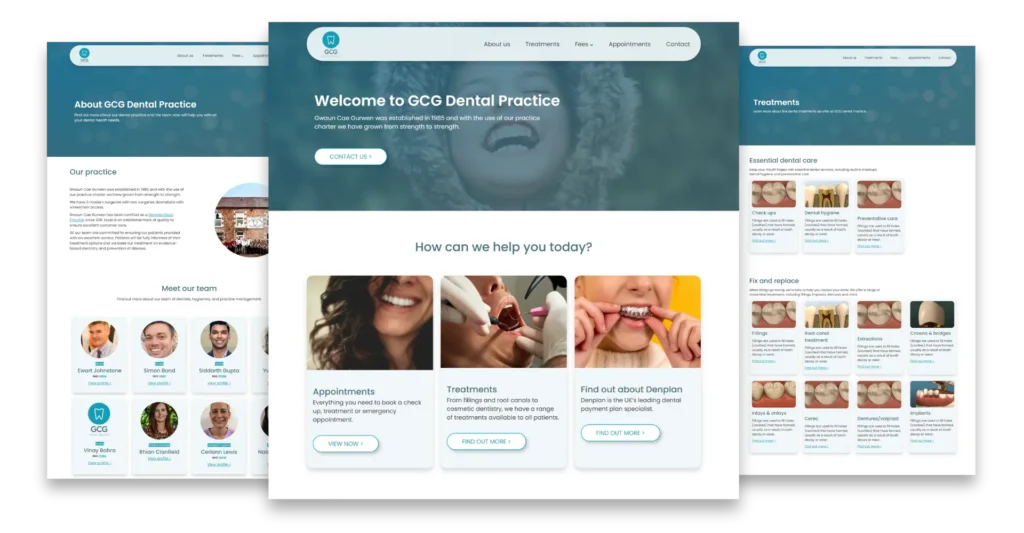
Your website should look clean, modern, and trustworthy.
Use:
- Consistent colours
- Easy-to-read fonts
- Your logo and branding
- Real images from your practice if possible
A polished design helps build trust and makes people more likely to choose you.
Good quality content
Your website should actually help people, not just exist.
This can include:
- Blog posts
- Treatment explanations
- Oral health tips
- Videos
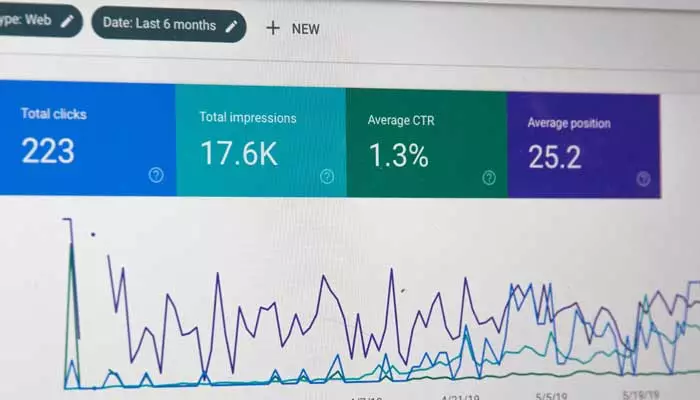
You should also use SEO basics like keywords and descriptions so people can find you on Google.
Reviews and testimonials
People trust other patients more than ads.
Adding reviews or testimonials builds confidence. If possible, include real photos and encourage happy patients to leave reviews on Google or other platforms.
Online booking
Making it easy to book appointments is a big deal.
An online booking system should be simple and quick, with as few steps as possible. The easier it is, the more likely people are to actually book.
Contact details & location
Your contact info should never be hard to find.
Include:
- Phone number
- Address
- Opening hours
Adding a Google Map also helps people find your clinic easily.
Fast loading speed
If your website is slow, people will just leave.
You can fix this by:
- Compressing images
- Using clean code
- Optimising performance
A fast site keeps visitors happy and improves your ranking on Google too.