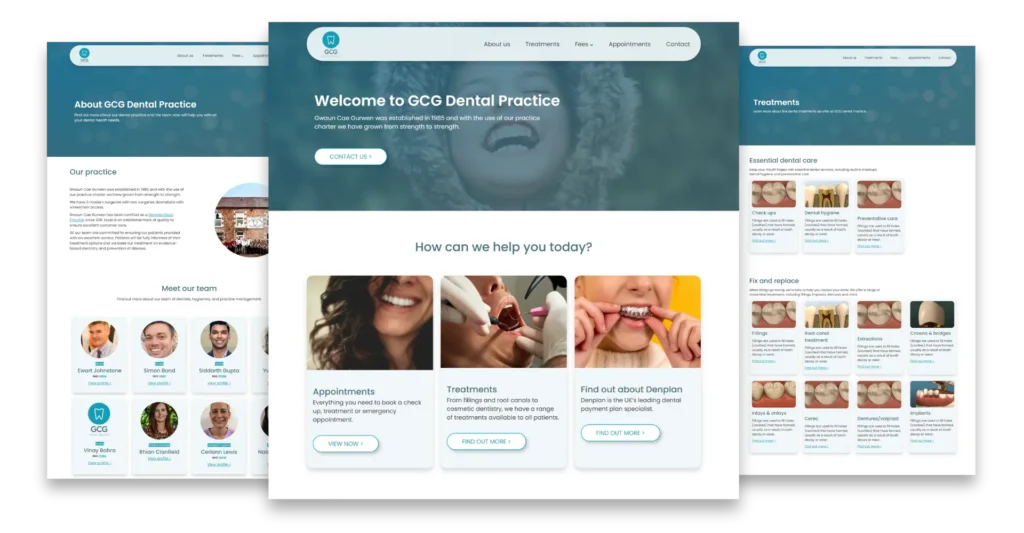
One of the biggest mistakes dentists make is spending thousands on a new website and then not really thinking about how anyone is actually going to find it.
So what happens? You end up with a great-looking site that just sits there… and barely anyone sees it, meaning very few new patients come through.
The good news is there are loads of ways to fix this. Online, you’ve got stuff like social media, Google Ads (PPC), Bing ads, digital PR, and SEO.
In this article though, we’re focusing on SEO — especially local SEO.
SEO is basically how you show up on Google when people search for treatments you offer. Local SEO is just that, but focused on a specific area.
For example: “Invisalign Cardiff”.
That kind of search gets around 300 searches a month, plus similar ones too. That’s a lot of potential patients just from one keyword.
So how do you actually take advantage of that and show up in local search results?
Local SEO tips for dentists
1. Know your audience and what you want to rank for
Before you start writing loads of content trying to rank for everything, think about your main money-making treatments.
Usually that’s things like Invisalign or other cosmetic treatments.
The problem is, every other dentist wants to rank for the same stuff too, so you’ve got competition.
That’s why it’s better to focus on a few key treatments first, get results there, and then expand later.
Also think about your audience:
- Why do they want this treatment?
- What are they worried about?
- How do they search for it online?
- What are they looking for when choosing a dentist?
- Where are they located?
2. Do local keyword research
Now you know your audience and goals, you need to figure out what people are actually typing into Google.
For dentists, this usually includes location-based searches.
So something like:
- Invisalign London
- Teeth straightening London
- Invisible braces London
- Best teeth straightening London
Each keyword has different search volume and competition.
The goal is to find keywords that people search for, but where you still have a realistic chance of ranking.
You can use tools like Google Keyword Planner (free) or paid ones like Semrush, Ahrefs, or SE Ranking.
3. Plan and create your content
Once you’ve got your keywords, you need content for them.
Start by checking if your existing pages can be improved for those keywords. If not, create new pages.
Some quick tips:
- Make sure the content matches what people are searching for (selling page vs info page)
- Include what your audience actually cares about (not just keywords)
- Don’t try to target loads of locations on one page
- Don’t spam keywords everywhere — keep it natural
- Focus on good quality content, not just SEO tricks
- Check what competitors are doing and try to do it better
4. Build links to your website
Backlinks are basically other websites linking to yours. Google sees them like “votes” for your site.
But quality matters way more than quantity.
As a dentist, this can be tricky because you’re busy, but you can still:
- Get listed on local websites
- Partner with other local businesses
- Reach out to relevant sites that might find your content useful
For example, if you wrote about dental implants, maybe a local health blogger or even a physiotherapist could link to it.
5. Google Business Profile (super important)
Your Google Business Profile is a huge part of local SEO.
It’s what shows up on Google Maps and local searches.
Basically, it lets people see your:
- Address
- Phone number
- Opening hours
- Reviews
- Website
- Photos
And businesses with verified profiles are way more likely to get trust and clicks.
How to improve it:
- Add correct opening hours and services
- Make sure all info is updated
- Upload photos regularly
- Get more patient reviews
- Choose the right categories
6. Social media + SEO together
People don’t just search on Google anymore — they also search on Instagram, TikTok, etc.
So it makes sense to combine SEO with social media.
If you make a page targeting a keyword on your website, you can turn it into social posts too.
7. How to track if SEO is working
To see if your SEO is actually doing anything, you can use:
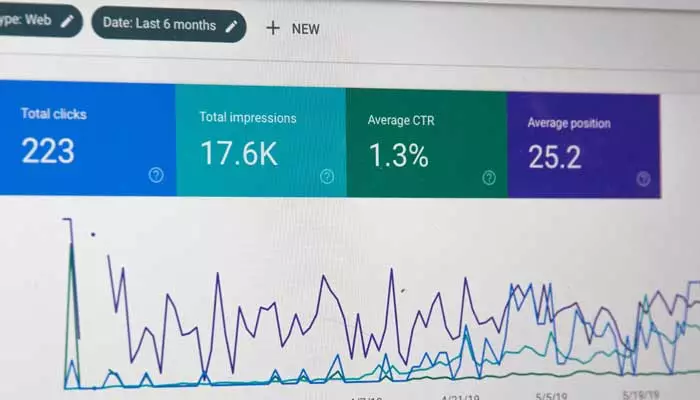
- Google Search Console (shows rankings and clicks)
- Google Analytics (shows traffic and behaviour)
- Tools like Ahrefs or Semrush (more advanced tracking)
Search Console is usually the easiest starting point.
FAQs
Should I only focus on local keywords?
Not really. You should mix local keywords with broader topics. But start local first, then expand.
How often should I post content?
Ideally once a week is a good start, then support it with social media posts.
Do I need an SEO expert?
Not always, but SEO can get complicated and competitive. If you’re busy running a dental practice, hiring someone can save a lot of time and usually gets better results faster.